The Poor Man's Galápagos
Ecuador's "Island of Silver" is a Gold Mine for Nature Lovers

This feature is taken from a visit to Ecuador in 2017
I feel violently sick. I’ve already painted the sides of the boat with this morning’s couple of handfuls of Coco Pops…twice. But something keeps me focussed on the surface of a fairly angry ocean. Unusual splashes don’t match with the roll and tumble of the high Pacific waves. Something pokes from the surface, huge and white. A fin, and then later the whole thing, a Humpback breaching. It’s the first whale I've ever seen, and when another shows, then another, and the dolphins join in, my twisted, landlubber stomach slips from my mind.
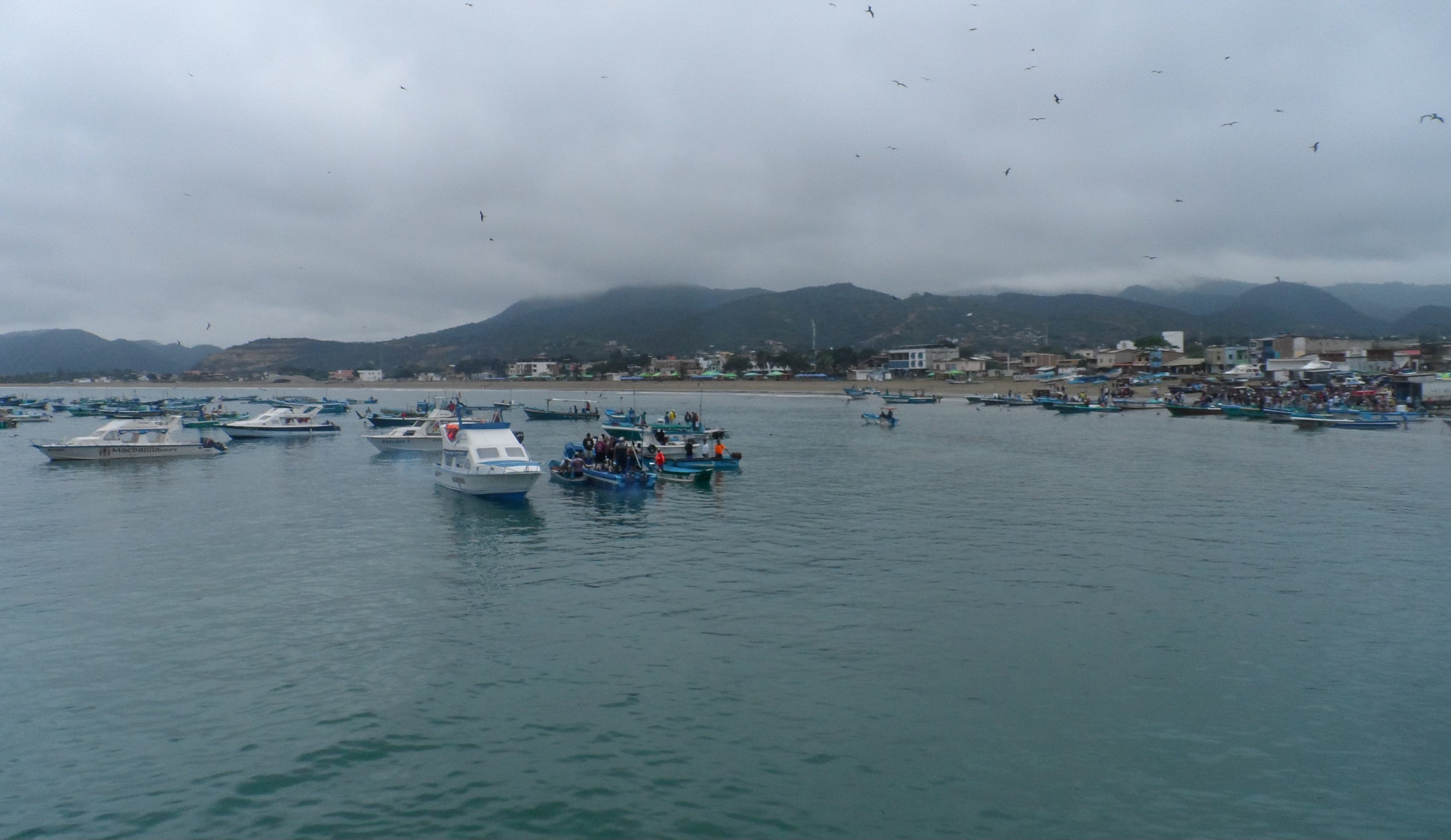
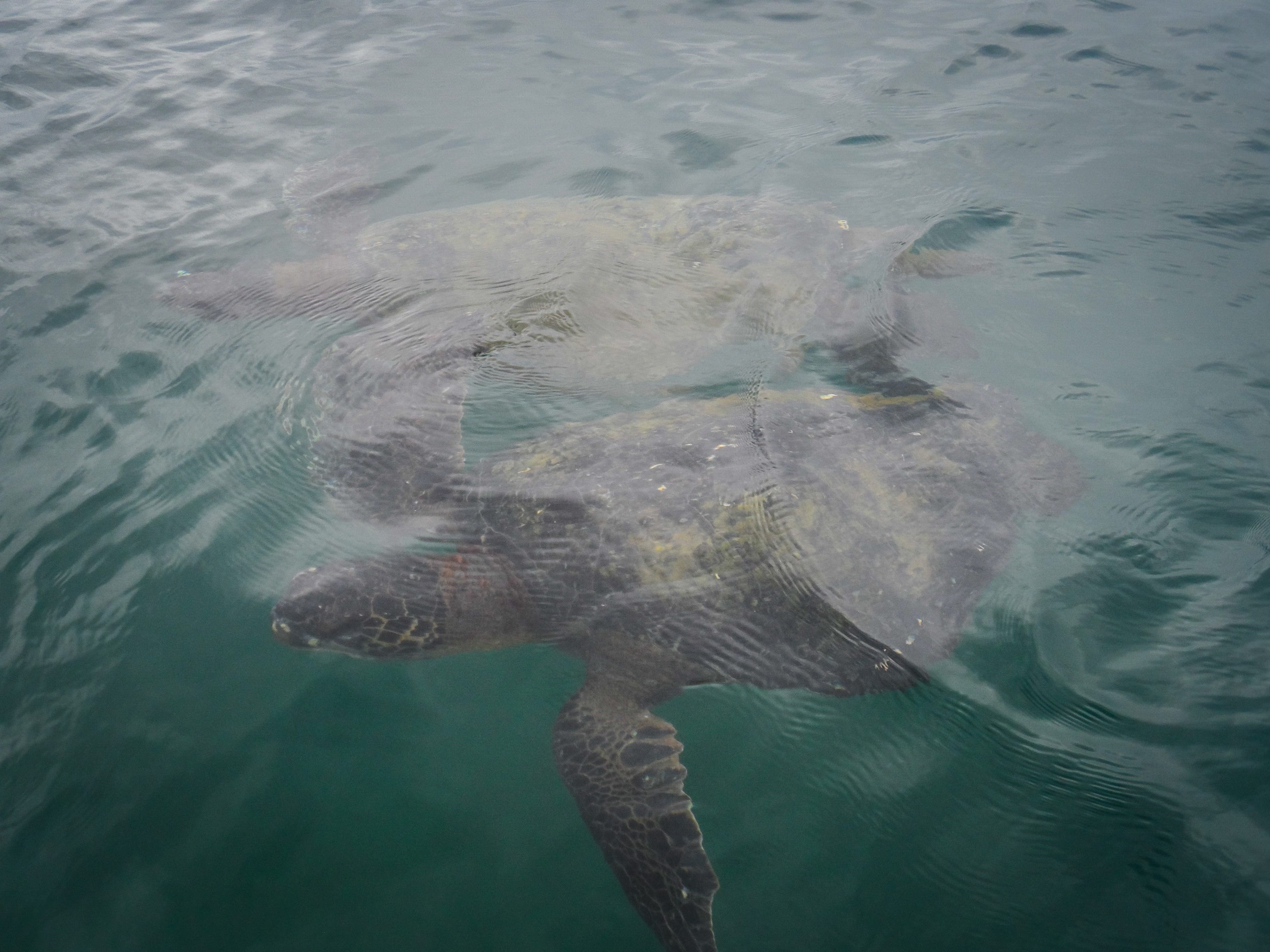
It’s still a long while on rumbling open ocean before we have covered the forty-or-so kilometres from Puerto López, but with startling cetaceans making it bearable, we reach the peaceful waters in the lee of the island with my stomach still somewhat intact. Looking up, it’s easy to see how this place got its name. Isla de la Plata, the Island of Silver, its grey cliffs almost look to be shining. In reality the name isn’t because of any lost Spanish treasure like I might have originally thought, but guano. Bird poo is the silver here, draping the tops of the cliffs in white. When I look down into the crystal coastal waters at a pair of gliding Green Sea Turtles, I soon realise that there is something else to be treasured here.
We make for land in a small bay crowded in by brown, knotty headlands, nuggets of that “silver” breaking through the low brush. Ahead is a green valley of only head-high trees, gnarled shrubs and Mario in his white polo and sports shades, my guide. “No leaving the trails,” there’s a snap to his voice that wasn’t there at his warm greeting as we head into the green, “and no touching the plants either, por favor”.
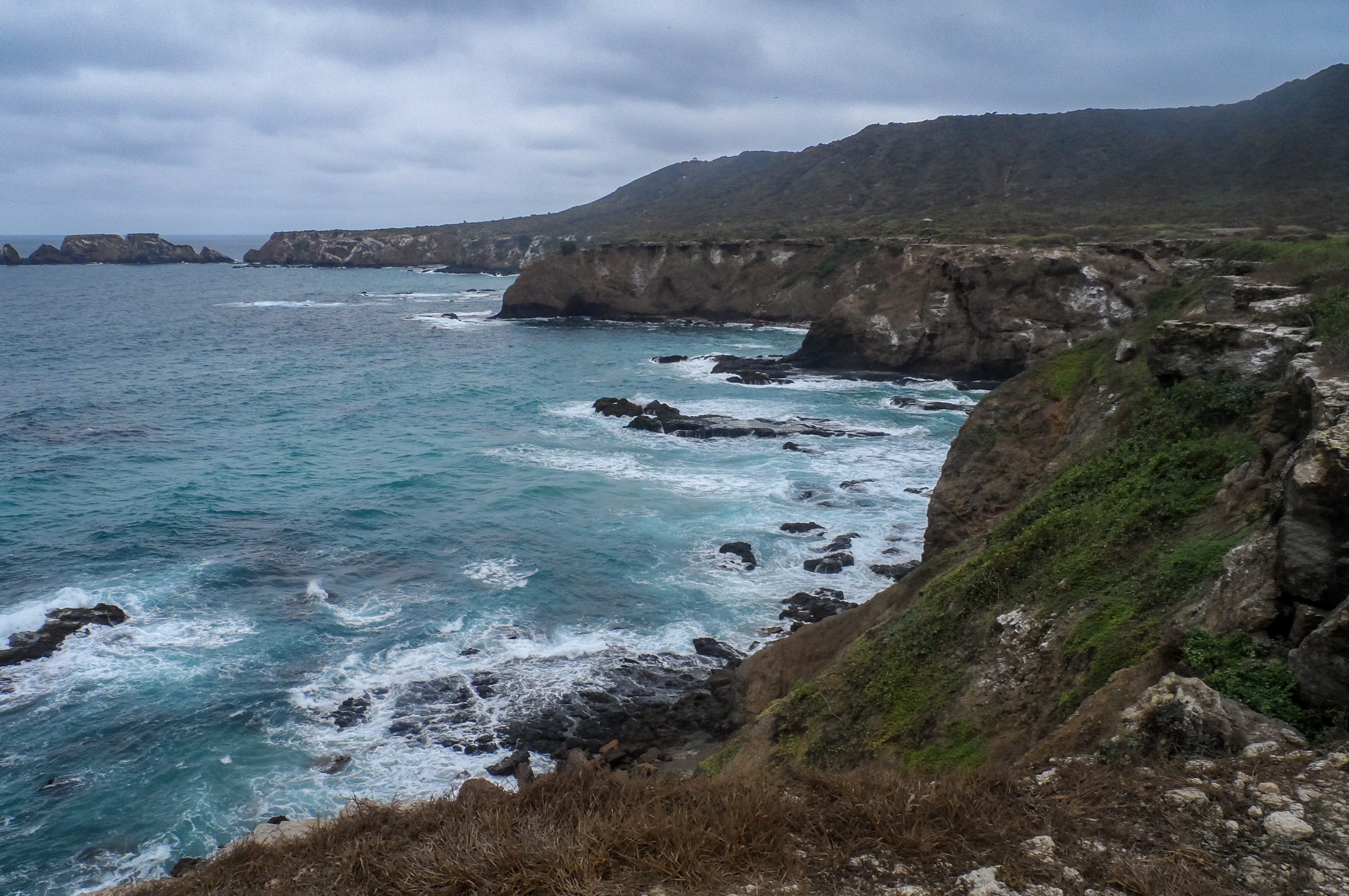
There’s good reason for his step-change into sternness. Much like Ecuador’s more famous Galápagos, Isla de la Plata is strictly protected, a veritable raft of wildlife in the vast Pacific. Falling within the bounds of Machalilla National Park, but with its much more accessible and affordable location, steps have to been to prevent tourism damage. I keep my hands tight to my camera as we make for the trail.
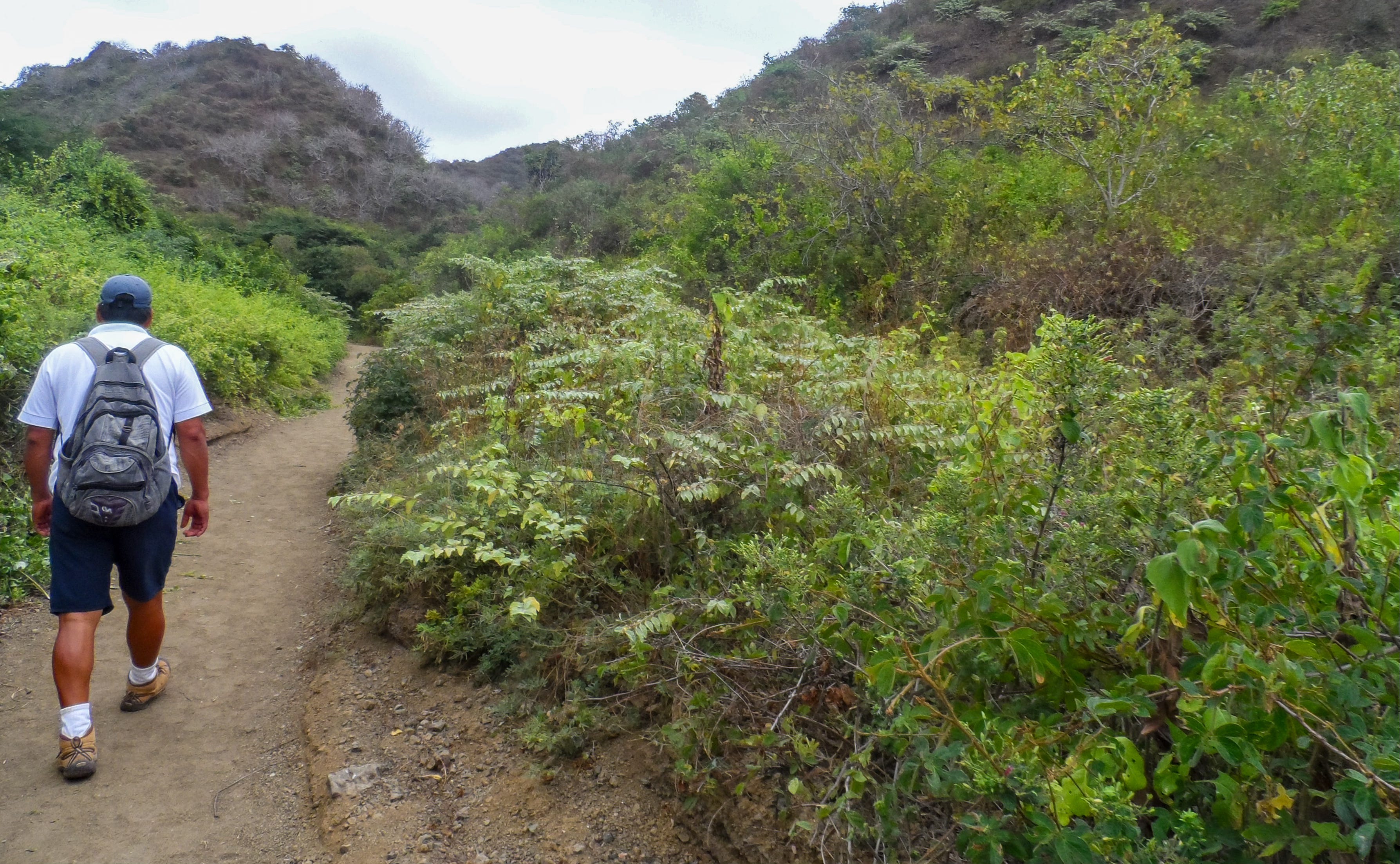
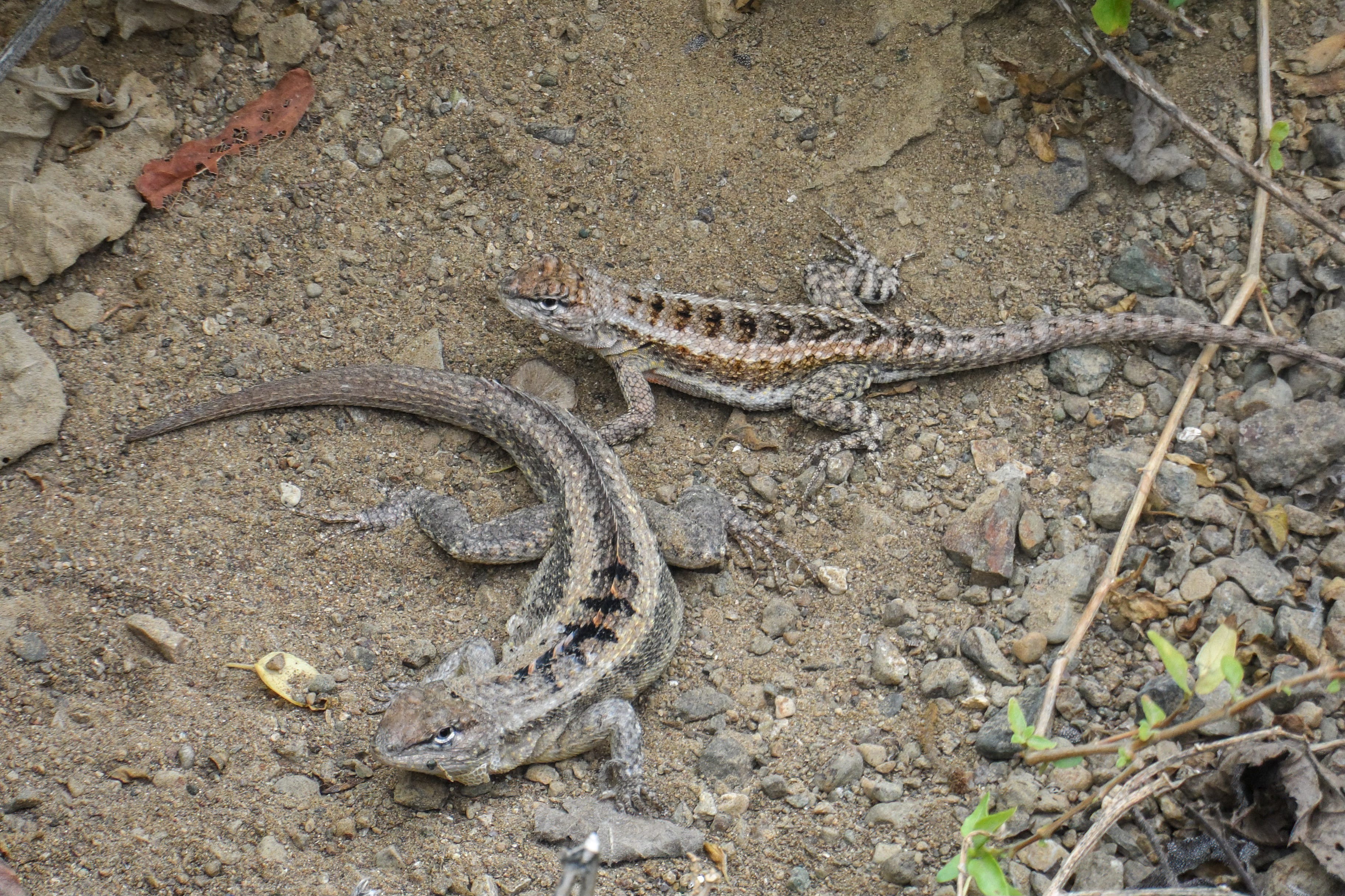
It’s only a person wide, a dusty track with twisting, dry plants reaching for my shoulders, reminding me of a full bramble thicket. Purple, trumpet-shaped flowers occasionally break up the dryness of the landscape. Something scuttles in the undergrowth. A pair of Knobbed Pacific Iguanas, lava lizards, freeze at our presence, giving us a good look at their black-speckled back that camouflages them in the rocky terrain. A vine moves on the trailside, extending its snout towards us, a Trans-Andean Vine Snake, pencil thin, brown and cream, had it not moved I would never have even noticed this secret island inhabitant. As the valley slowly rises, my eyes now trained on every slight twitch in the landscape, the island opens out into a rolling expanse that drops away into a heaving sea.
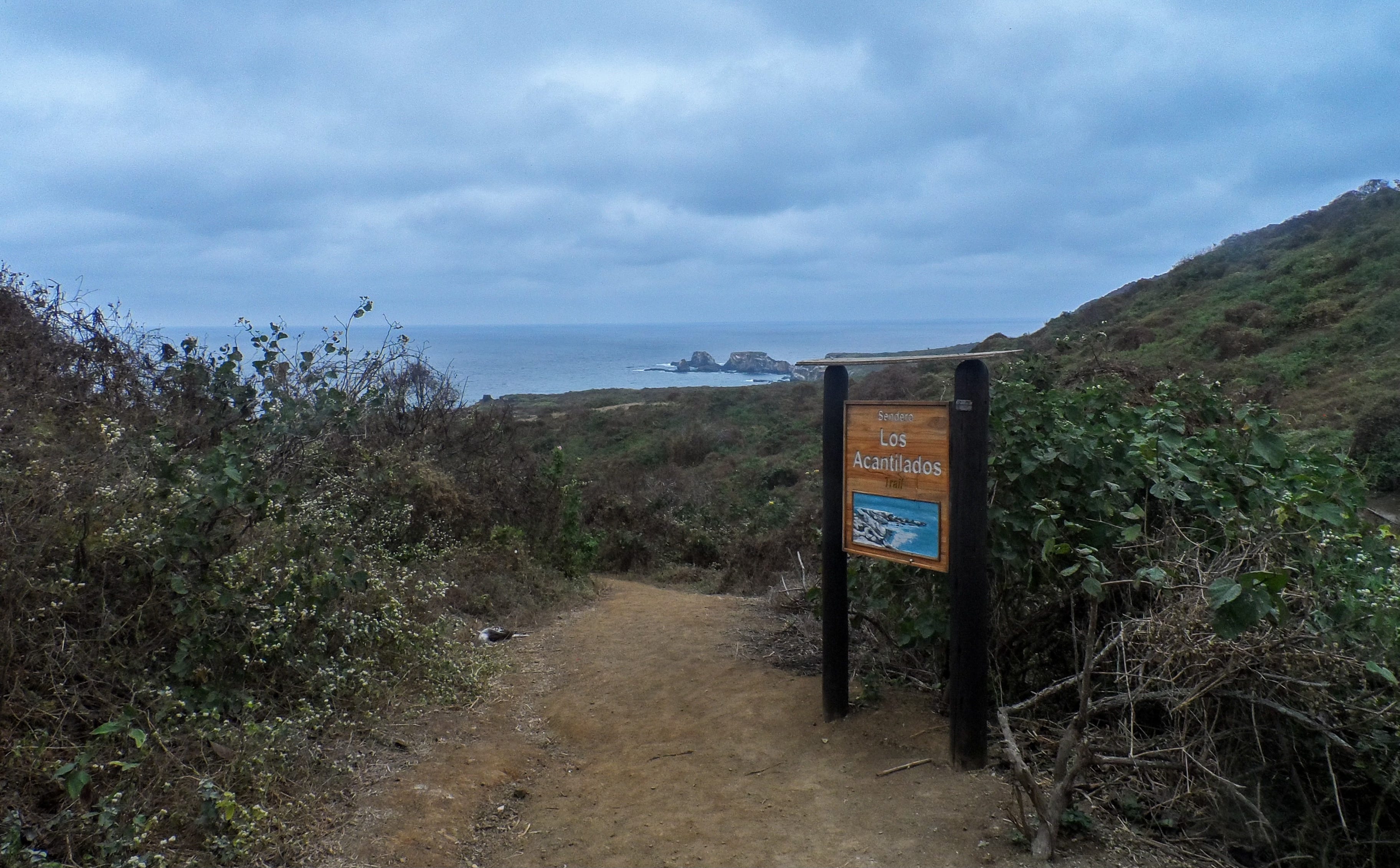
At a small shelter at the pinnacle of the valley trail I’m presented with a choice. Sendero Fragatas - the Frigate Trail, marked with a painting of Magnificent Frigatebird - or Sendero Los Acantilados, showing a painting of rugged cliffs. With the promise from Mario that the birdlife is just as spectacular, the enticing view of the cliffs in the distance and the added chest-puffing challenge of a tougher walk, I opt for the Cliff Trail. It isn’t long before Mario’s promise is fulfilled.
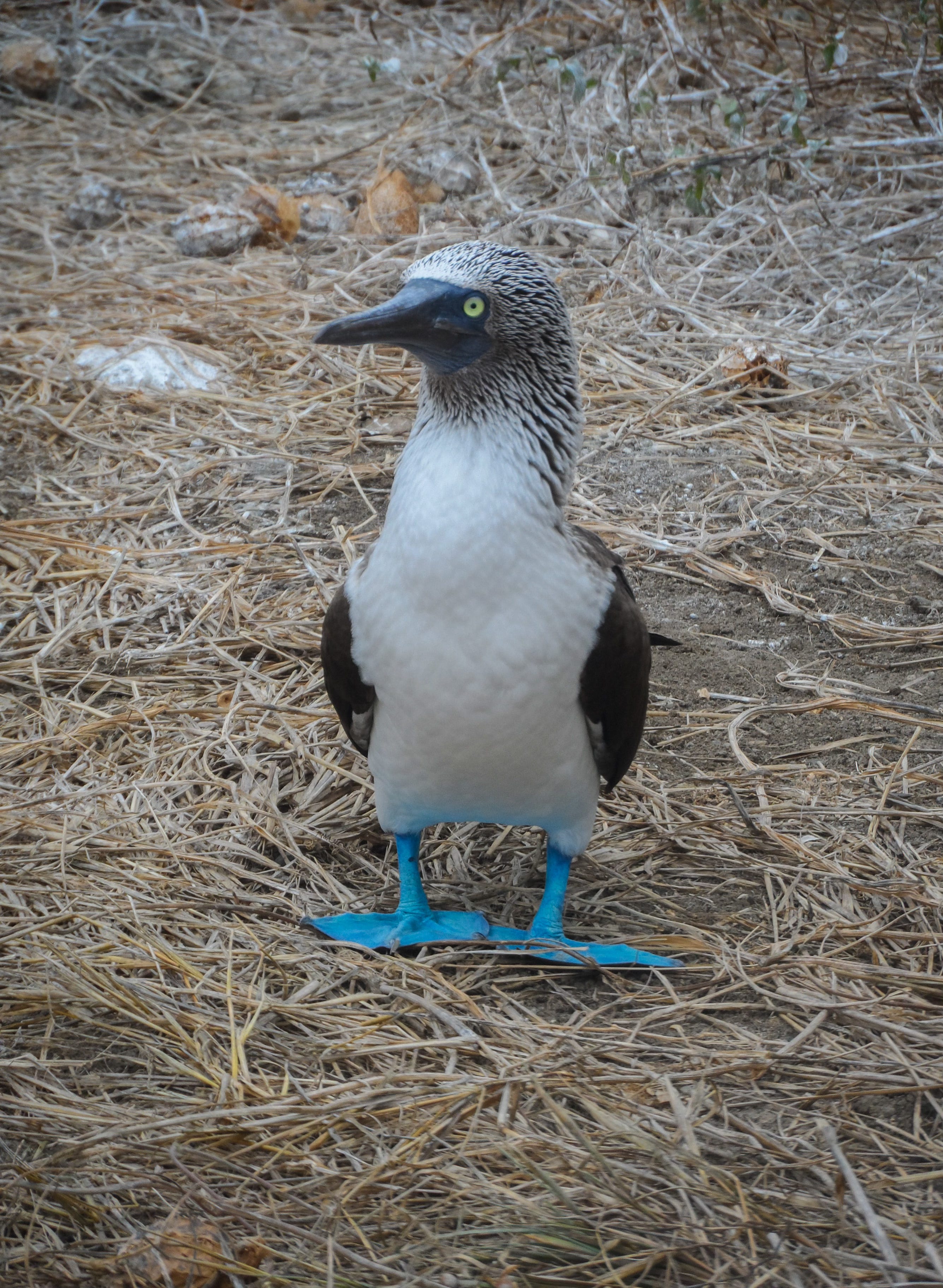
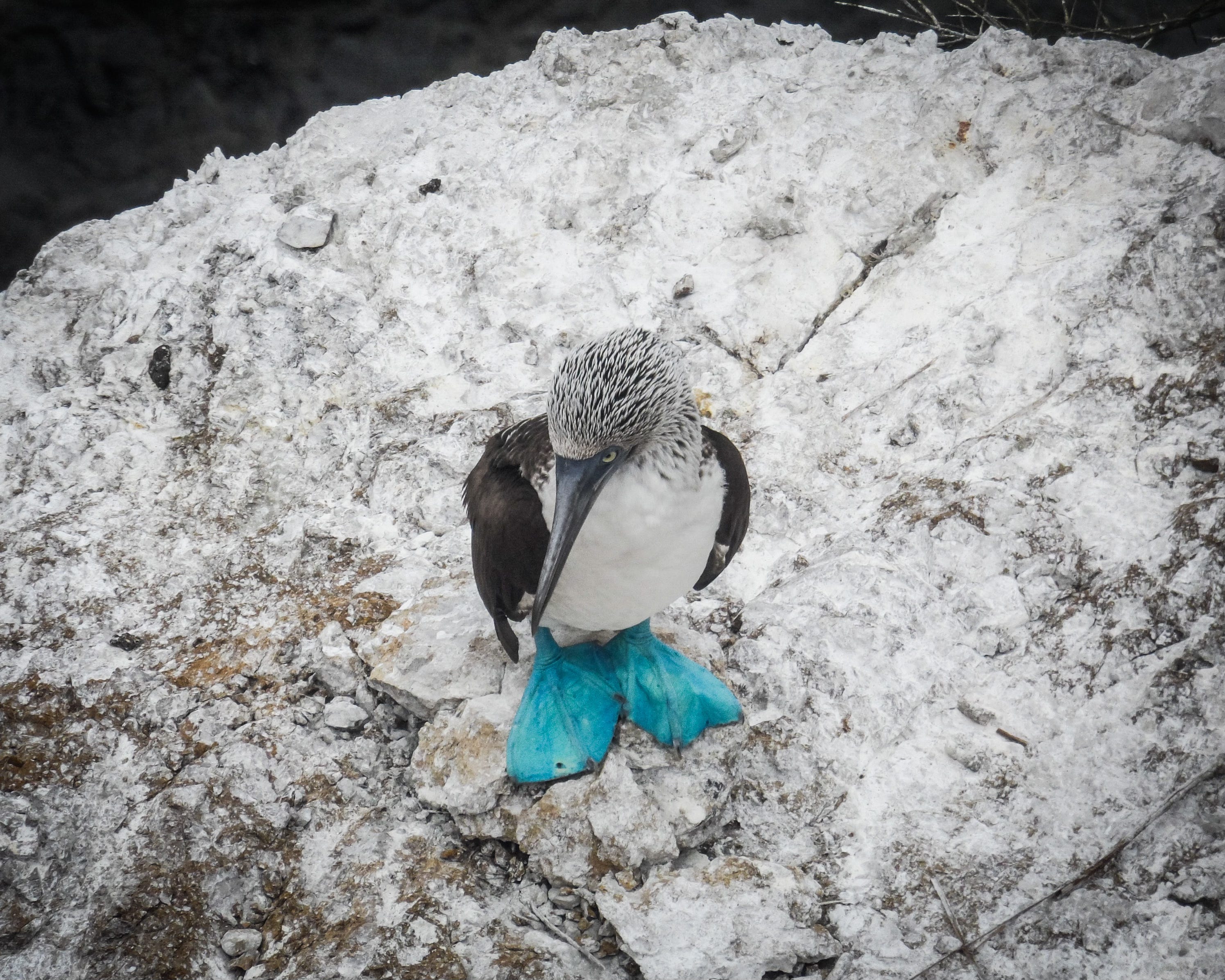
Just along the track, two birds lie still. They’re large, the size of a hefty gull, with long, sharply tapered bills. Their heads are dusty white and their backs and wings mottled brown. Easiest to notice is their feet. Feet that are staggeringly, strikingly, incomprehensibly blue. The pair of Blue-Footed Boobies ogle us, unfazed, as we take in their odd sight. I can recall seeing them in an Attenborough documentary as a kid, not being able to quite believe that something like that could exist (and of course, tittering at their name). And now a pair are sitting just a few metres away from me. One has just fired a shot of guano across the path.
It’s this guano painting that reminds me these aren’t the only spectacular avian residents of the island and as we approach the cliffs, passing more nesting, croaking and whistling Boobies on the way, dark shadows begin to swirl in a white sky. The namesakes of Sendero Fragata. Magnificent Frigatebirds. They’re another I remember from Attenborough, a distinctive scene of these massive seabirds harassing dainty tropicbirds for the food in their crops. They paint every bit a villainous picture. The big male I can see is jet black against the clouds with a scissor-like tail, a bright red pouch hanging from his throat. He glides with an unprecedented ease of the stiffening Pacific wind, joined by a white-headed juvenile.
As we reach the cliffs and look out, the boundless sea foams and turns from oceanic blue to milky white as it reaches the shallows and bites at the rocks of the Silver Island. Two more Blue-Footed Boobies have made their home on the bare rocks that jut out, and as I observe the cliffside I spot something else. The other character in that piratical Attenborough story, a Red-Billed Tropicbird, the Frigatebird’s victim. With its striking namesake bill, it stands out only slightly as it tucks itself away into a crack in the rocks, but as I look deeper I can see it isn’t alone. A chick, still with a pale bill and the ruffled fluff of a downy youth. What a life on this treasure trove of silver and pirates awaits for it I think as we head back down the track to the boat, bound for the lush jungles and high peaks of the New World.